
As we age, maintaining good oral health becomes more than just about keeping a beautiful smile; it’s a crucial aspect of protecting our overall health, comfort, and quality of life. Seniors face unique dental challenges, such as gum disease, dry mouth, tooth loss, and an increased risk of oral cancer. This is why regular dental visits and good dental care are vital for older adults who want to remain healthy and confident. If you or a loved one is a senior, understanding how oral health changes with age—and knowing how your dentist can help—can lead to significant improvements in well-being. The Connection Between Aging and Oral Health Your mouth undergoes natural changes over time. Years of chewing, brushing, and exposure to medications or medical conditions can gradually impact your teeth, gums, soft tissue, and bone. Many seniors also experience reduced saliva production, changes in bone density, and slower healing—factors that increase the risk of oral health problems. Common age-related dental challenges include: Fortunately, many of these issues can be prevented with regular professional care and good daily oral hygiene. Gum Disease: The Hidden Threat to Senior Smiles Among older adults, gum disease is one of the most prevalent and serious oral health concerns. It often begins silently, with mild gum inflammation (gingivitis), but it can progress into advanced periodontal disease, leading to bone and tooth loss. The early signs of gum disease include: For seniors, untreated gum disease can lead not just to oral discomfort but also to broader health …
As we age, maintaining good oral health becomes more than just about keeping a beautiful smile; it’s a crucial aspect of protecting our overall health, comfort, and quality of life. Seniors face unique dental challenges, such as gum disease, dry mouth, tooth loss, and an increased risk of oral cancer. This is why regular dental visits and good dental care are vital for older adults who want to remain healthy and confident.
If you or a loved one is a senior, understanding how oral health changes with age—and knowing how your dentist can help—can lead to significant improvements in well-being.
The Connection Between Aging and Oral Health
Your mouth undergoes natural changes over time. Years of chewing, brushing, and exposure to medications or medical conditions can gradually impact your teeth, gums, soft tissue, and bone. Many seniors also experience reduced saliva production, changes in bone density, and slower healing—factors that increase the risk of oral health problems.
Common age-related dental challenges include:
- Gum disease (periodontal disease)
- Tooth decay or root cavities
- Dry mouth (xerostomia)
- Tooth loss or shifting teeth
- Worn dental restorations
- Oral cancer
Fortunately, many of these issues can be prevented with regular professional care and good daily oral hygiene.
Gum Disease: The Hidden Threat to Senior Smiles
Among older adults, gum disease is one of the most prevalent and serious oral health concerns. It often begins silently, with mild gum inflammation (gingivitis), but it can progress into advanced periodontal disease, leading to bone and tooth loss.
The early signs of gum disease include:
- Red, swollen, or bleeding gums
- Persistent bad breath
- Gum recession (teeth looking “longer”)
- Loose or shifting teeth
For seniors, untreated gum disease can lead not just to oral discomfort but also to broader health issues. Research has linked chronic gum inflammation and risk factors to heart disease, diabetes complications, respiratory infections, and even Alzheimer’s disease.
Regular visits to your Long Beach dentist allow for early detection and treatment of gum disease before it becomes advanced. Professional cleanings can remove hardened plaque (tartar) that brushing and flossing can’t, helping to protect both your smile and your gum tissue, scale and root planing, and help with your overall well-being.
The Impact of Dry Mouth in Older Adults
Dry mouth, or xerostomia, is another common concern among seniors. Medications—such as those for high blood pressure, depression, or allergies—and certain health conditions often cause it.
When saliva production is insufficient, your mouth becomes more vulnerable to:
- Cavities and gum disease
- Difficulty chewing, swallowing, or speaking
- Mouth sores and infections
- Bad breath
During routine dental appointments, your dentist can identify the signs of dry mouth during the early stages and recommend treatments or lifestyle changes—such as sugar-free lozenges, mouth moisturizers, or adjusting medication schedules—to enhance comfort and protect oral health.
Tooth Loss and Replacement Options
Tooth loss is not an unavoidable consequence of aging; however, many older adults experience it as a result of untreated decay, periodontal disease, or trauma.
Missing teeth can make eating difficult, affect speech, and lead to bone loss in the jaw.
Fortunately, modern dentistry offers several natural-looking and long-lasting replacement solutions:
- Dental implants: Permanent, stable replacements that look and function like natural teeth.
- Bridges: Fixed restorations supported by surrounding teeth.
- Dentures: Individually fabricated removable or implant-supported dental prostheses.
During regular visits, your Long Beach dentist can evaluate your bite, check the fit of dentures, and ensure your replacement teeth are comfortable and functioning effectively.
Maintaining well-fitting restorations not only supports chewing and nutrition but also helps prevent bone and gum irritation.
Oral Cancer Awareness for Seniors
The risk of oral cancer increases with age, particularly in individuals over 60. Because early symptoms can be subtle, routine oral cancer screenings during dental checkups are vital for early detection.
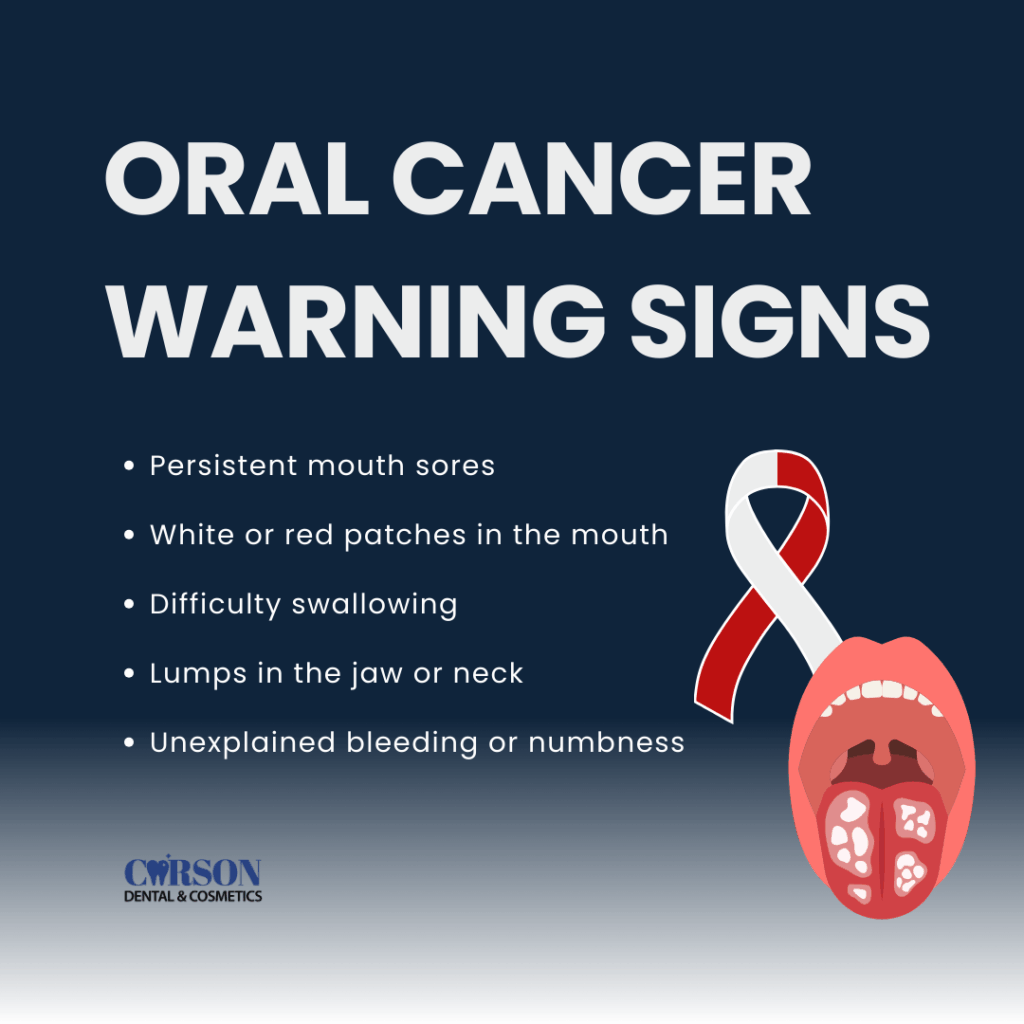
Warning signs may include:
- Persistent mouth sores
- White or red patches in the mouth
- Difficulty swallowing
- Lumps in the jaw or neck
- Unexplained bleeding or numbness
Early detection dramatically improves outcomes.
Regular dental visits ensure that your dentist can monitor any changes in your oral tissues at the mildest form and refer you for further evaluation if necessary.
How Regular Dental Visits Protect Senior Health
Dental checkups for seniors go far beyond just cleaning teeth; they are comprehensive evaluations of your oral and overall health.
During each visit, your dentist and hygienist will:
- Clean your teeth and gums: Remove plaque and tartar buildup that brushing can’t reach.
- Screen for any form of gum disease: Checking for inflammation, bleeding, and bone loss.
- Evaluate restorations: Ensuring crowns, fillings, and dentures are stable and intact.
- Inspect for oral cancer: Examining your tongue, throat, and soft tissues.
- Review medication effects: Identifying any oral side effects from prescriptions.
- Offer personalized advice: Recommend hygiene tools and home care techniques suited to your needs.
These regular checkups help catch small issues early, before they require major treatment or affect your comfort and health.
Practical Tips for Seniors to Maintain Oral Health
Even between dental visits, daily care is essential for keeping your mouth healthy. Here are some expert tips tailored for seniors:
1. Brush and floss regularly
Use a soft-bristled toothbrush or an electric toothbrush twice daily, and floss at least once a day. If manual dexterity is a challenge, try floss holders or interdental brushes.
2. Stay hydrated
Drink plenty of water to combat dry mouth and support saliva flow. Limit caffeine and alcohol, which can worsen dryness.
3. Use fluoride
Choose fluoride toothpaste and mouthwash to strengthen enamel and protect against decay.
4. Maintain a balanced diet
Consume nutrient-rich foods such as leafy greens, dairy products, lean proteins, and whole grains. Avoid frequent snacking or sugary treats that can feed bacteria.
5. Don’t ignore discomfort
Tooth pain, bleeding gums, or sores that don’t heal within two weeks should always be checked by your dentist.
6. Keep up with dental appointments
Most seniors benefit from dental visits every six months, or more frequently if they wear dentures or are at any stage of gum disease.
Caregiver Tips: Supporting a Loved One’s Oral Health
For seniors who need assistance, caregivers play an essential role in maintaining oral hygiene.
Simple steps include:
- Helping your loved one brush and floss daily.
- Keeping track of dental appointments and medication side effects.
- Encouraging hydration and balanced meals.
- Monitoring the mouth for any changes, including swelling, redness, or loose teeth.
Your Long Beach dentist can provide caregiver guidance and customized oral hygiene strategies to make daily care easier and more effective.
The Bigger Picture: Oral Health and Whole-Body Wellness
Oral health is deeply connected to overall health. For seniors, maintaining healthy teeth and gums supports:
- Better nutrition and digestion
- Lower risk of systemic inflammation
- Improved self-esteem and quality of life
- Reduced hospitalizations linked to oral infections
By keeping up with dental checkups, seniors can safeguard not just their smiles but also their independence and confidence.
Schedule Your Senior Dental Visit in Long Beach Today
A healthy smile is timeless. Whether you’re maintaining natural teeth, wearing dentures, or exploring dental implants, regular dental visits are key to staying comfortable, confident, and healthy.
At Carson Dental, our friendly and experienced team provides compassionate, gentle care tailored to seniors and their families. We offer preventive cleanings, gum disease treatment, denture adjustments, and oral cancer screenings—all in one welcoming environment.
👉 Begin your journey toward lifelong oral health.
Call us today at 562-988-7788 or schedule an appointment online to experience the personalized care you deserve.